
Solar EV charging · Derby & Derbyshire

Solar and battery integration for EV charging in Derby

Use the spare electricity your solar panels produce to charge your car, instead of exporting it for a low rate, with a solar-compatible smart charger that tops up from the grid or a battery when the sun isn't shining.

Quote within 24 business hours: send photos or a short video of the job, with your name, on WhatsApp, or request a quote online.

●  Serving Derby since 2009

●  Solar diversion set up

●  NAPIT registered

●  Battery integration

●  Serving Derby since 2009

●  NAPIT registered

●  Solar diversion set up

●  Battery integration

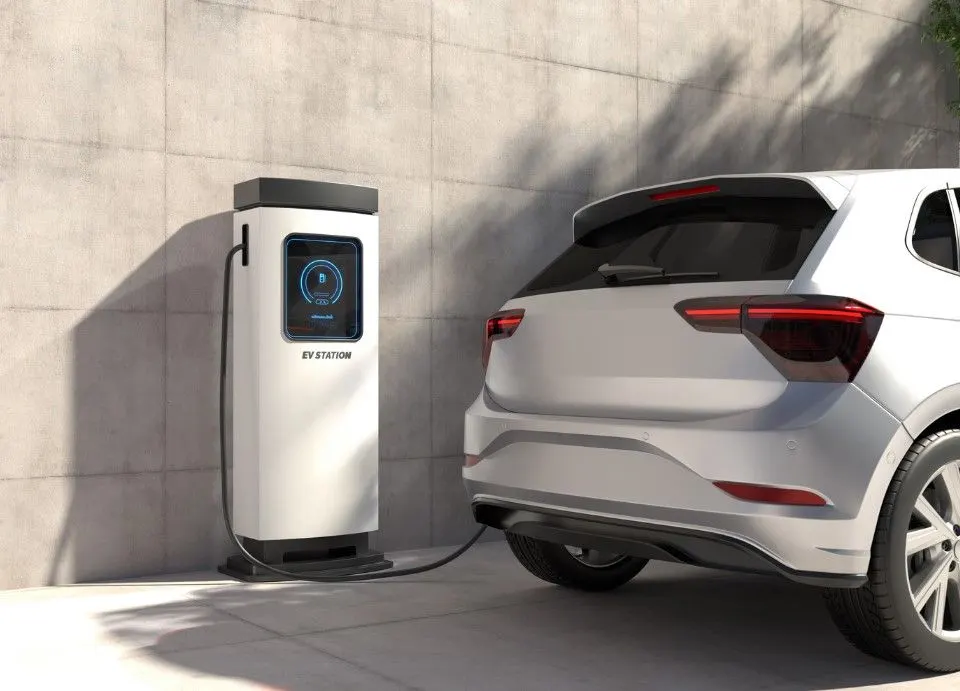
EV charging at a Derbyshire home with a solar-compatible charger
Finance available on electrical work

Charge your EV using solar power

Charging with solar is one of the most cost-effective ways to run an electric car. Instead of relying fully on grid electricity, your charger uses the spare energy your panels produce, turning sunshine into free miles.

It doesn't mean you can only charge when the sun is out. Smart chargers divert surplus solar to the car when it's available and top up from the grid when needed, so you get free renewable charging when possible and reliable charging whenever you need it.

Whether you already have solar panels or are planning them, adding the right charger is a straightforward step towards a more efficient home or business.

What you need

✓  A solar-compatible smart charger

✓  A CT clamp or energy hub to measure surplus

✓  A stable Wi-Fi connection at the charger

✓  A battery is optional, not essential

✓  Most existing inverters are compatible

How solar-powered EV charging works

1

Panels generate

During the day your panels supply the house first: lighting, appliances, heating and hot water.

2

Surplus is measured

When generation exceeds what the property is using, the charger detects the surplus that would otherwise be exported.

3

Charger diverts it

The charger adjusts its output to match the surplus, so the car charges from solar without affecting the house.

4

Grid or battery fills gaps

If there isn't enough surplus, the charger tops up from the grid or a battery, or waits for more sun, depending on your settings.

Benefits of solar EV charging

Lower running costs

Every unit of solar that goes into the car is a unit you don't import from the grid, which adds up over a year.

More value from your panels

Surplus that would be exported for a small return powers your own car instead, so your solar investment pays back sooner.

Less reliance on the grid

Charging from your own generation makes you less exposed to rising prices and peak-time rates.

Cleaner driving

Charging from renewable energy maximises the environmental benefit of driving electric.

Homes and businesses

Ideal if you work from home, have daytime parking at work, or run a site with plenty of roof space.

Full control in the app

Track the solar contribution, charge on solar only or mix in grid power, and optimise timing and output.

Pairing EV charging with battery storage

A battery lets you capture cheap or renewable electricity and use it later, including for the car.

Store solar for the evening

Surplus solar the house doesn't use goes into the battery rather than back to the grid, so you can charge from it after dark. That suits anyone who usually gets home after sunset.

Store cheap overnight electricity

On an off-peak tariff, the battery charges overnight at a lower rate and that energy can run the home or charge the car the next day, which is especially useful in winter when solar output drops.

Smooth out demand

A battery can supply extra power during busy periods, reducing the load on your main fuse. Combined with load balancing, it makes for very stable charging and more control over your costs.
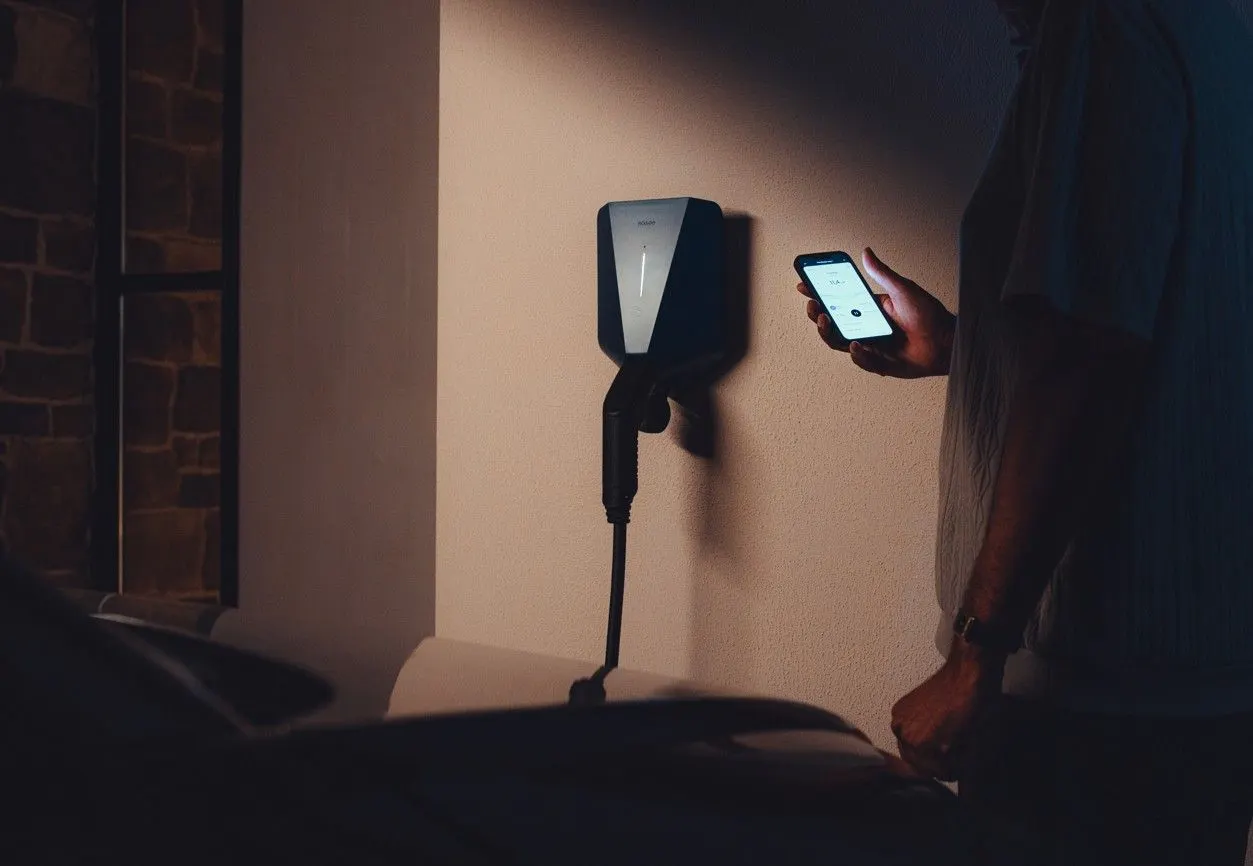
Smart EV charger in a Derby garage set up to charge from solar and battery storage
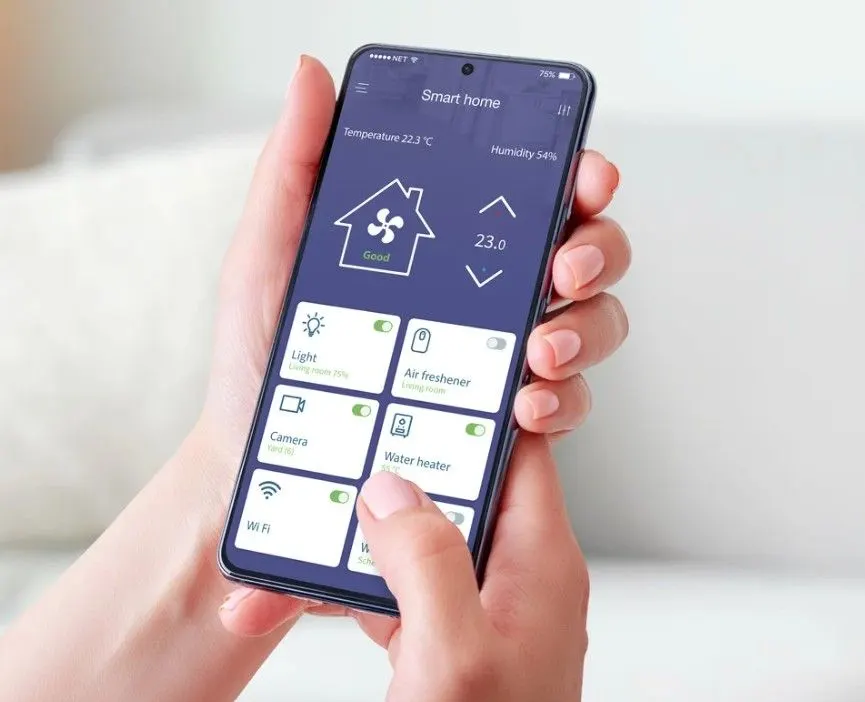
Homeowner checking solar and EV charging data in an app

Solar-compatible smart chargers

Not every charger can work with solar, so choosing the right model matters. A solar-compatible charger talks to your inverter or an energy monitor and tracks, in real time, how much you're generating, how much the house is using and how much is spare.

  • Solar-only mode: charges using surplus solar alone
  • Mixed mode: blends solar and grid power for a steady charge
  • Fast mode: full grid power when you need the car quickly

Load balancing still applies, so the property is never overloaded. The app shows solar, battery and grid contributions, charging history and savings, and the system can grow if you add panels, a battery or more chargers.

How much solar do you need to charge an EV?

It depends on your driving, your car's battery and how much your roof can generate, but as a guide, a typical daily commute uses around 6–12kWh, and a full charge 40–70kWh depending on battery size.

A typical 4kWp home system in Derbyshire might generate 2–4kWh on a cloudy day and 10–15kWh on a sunny summer day. So solar alone won't usually take a car from empty to full in one day, but that isn't how most people charge.

Most owners charge little and often. In spring and summer, solar can cover much of your charging and some days will be 100% solar. In autumn and winter it still contributes, with the grid filling the gaps; combining solar, a battery and an off-peak tariff gives the best results year-round.

Through the year

✓  Spring and summer: high solar contribution

✓  Autumn: moderate contribution

✓  Winter: low, so batteries and off-peak help

✓  Mixed mode is most reliable year-round

✓  Businesses benefit from daytime generation

Solar EV charging for businesses

Warehouses, offices and retail units often have large roofs that are ideal for solar, and most businesses are open in daylight, when panels generate and staff or fleet vehicles are parked on site. That makes solar charging especially cost-effective.

It can power staff cars, company vehicles, small fleets and visitor bays, with a battery covering later afternoon and evening charging. Free or discounted solar charging is a valued staff benefit, and the reduction in fleet emissions supports environmental and ESG goals.

Smart commercial chargers also track individual use, recover costs and produce reports for accounting and sustainability audits. See workplace EV charging for more.

What we check before installation

Your solar system

Panel output (kWp), inverter type and capacity, age and condition, any battery and your export tariff. Older inverters may need extra equipment.

Your electrics

Spare ways in the consumer unit, RCD/RCBO and surge protection, earthing, bonding and load capacity across the property.

Wi-Fi and app

Signal strength at the charger position, because solar monitoring, scheduling and load balancing depend on a stable connection.

Diversion hardware

A CT clamp to measure export, an energy management hub or inverter integration module, supplied and fitted as needed.

Battery behaviour

Inverter integration, load priorities, charge and discharge settings and how the charger should be configured alongside the battery.

Your site

Cable routes, driveway or parking layout, mounting position and weatherproofing, so the finished installation is neat and safe.

Solar EV charging costs

Costs depend on the charger, your existing solar and battery setup and the cable route. As a guide:

ItemTypical cost
Solar-compatible smart charger with solar-only and mixed modes and real-time surplus tracking£550–£850 (charger)
Example: solar-integrated charger with battery storage, detached home with a 6kWp array and 10kWh battery, including CT clamps and energy management module£1,100–£1,350 installed

Every quote follows a check of your solar system and electrics. See the full EV charger installation costs guide, including any consumer unit upgrades.

Why choose us for solar and EV integration

Integrating solar, battery storage and EV charging needs electrical expertise and an understanding of how the whole system works together: panels, inverter, consumer unit, battery and charger. We assess your property properly, explain the options clearly and design a setup that maximises efficiency without compromising safety.

As part of the Derbyshire Specialists Group, we handle related work in-house, from electrical upgrades and cable routing to making good afterwards, and we provide aftercare, repairs and safety checks once you're up and running.

What you can expect

✓  Clear advice on diversion, batteries and load balancing

✓  Certified, NAPIT-registered work

✓  Designs based on how you use energy

✓  Neat installs on driveways and car parks

✓  Honest recommendations, no upselling

Solar EV charging FAQs

Yes, when your panels produce enough surplus. In solar-only mode the charger adjusts its speed to the surplus available and pauses when there isn't enough.

No. A battery stores daytime energy for evening charging, but you can charge directly from solar without one.

Yes, but solar generation is lower. In mixed mode the charger automatically blends solar and grid power, and a battery with an off-peak tariff helps further.

Most modern inverters are compatible. Some older ones need an extra energy monitor or CT clamp, which we check and fit as part of the installation.

Yes. Choosing a solar-compatible charger now means you can switch on solar diversion once your panels are fitted.

A standard charger installation usually takes 2–4 hours. Battery integration, inverter equipment or longer cable runs add time, and we confirm this when we quote.

Solar EV charging across Derbyshire

We integrate chargers with solar and batteries across Derby, including Littleover, Mickleover, Chaddesden, Spondon and Oakwood, and the wider county, including:

Book a solar and EV charging assessment

Send us photos of your inverter, consumer unit and parking area, tell us your system size and whether you have a battery, and we'll tell you what's possible and what it will cost.

West Point, 22 Brook St, Derby DE1 3TE

© 2026 All Rights Reserved | Derbyshire Electrical Specialists part of Derbyshire Specialists Group

Derbyshire Specialists Group Ltd is an Introducer Appointed Representative of Ideal Sales Solutions Ltd, t/a Ideal4Finance. Ideal Sales Solutions Ltd is a credit broker and not a lender (FRN 703401). Finance available subject to status. The rate offered is always provisional and will depend upon your personal circumstances, the loan amount and the term.